
Conservation Detection Dog Teams
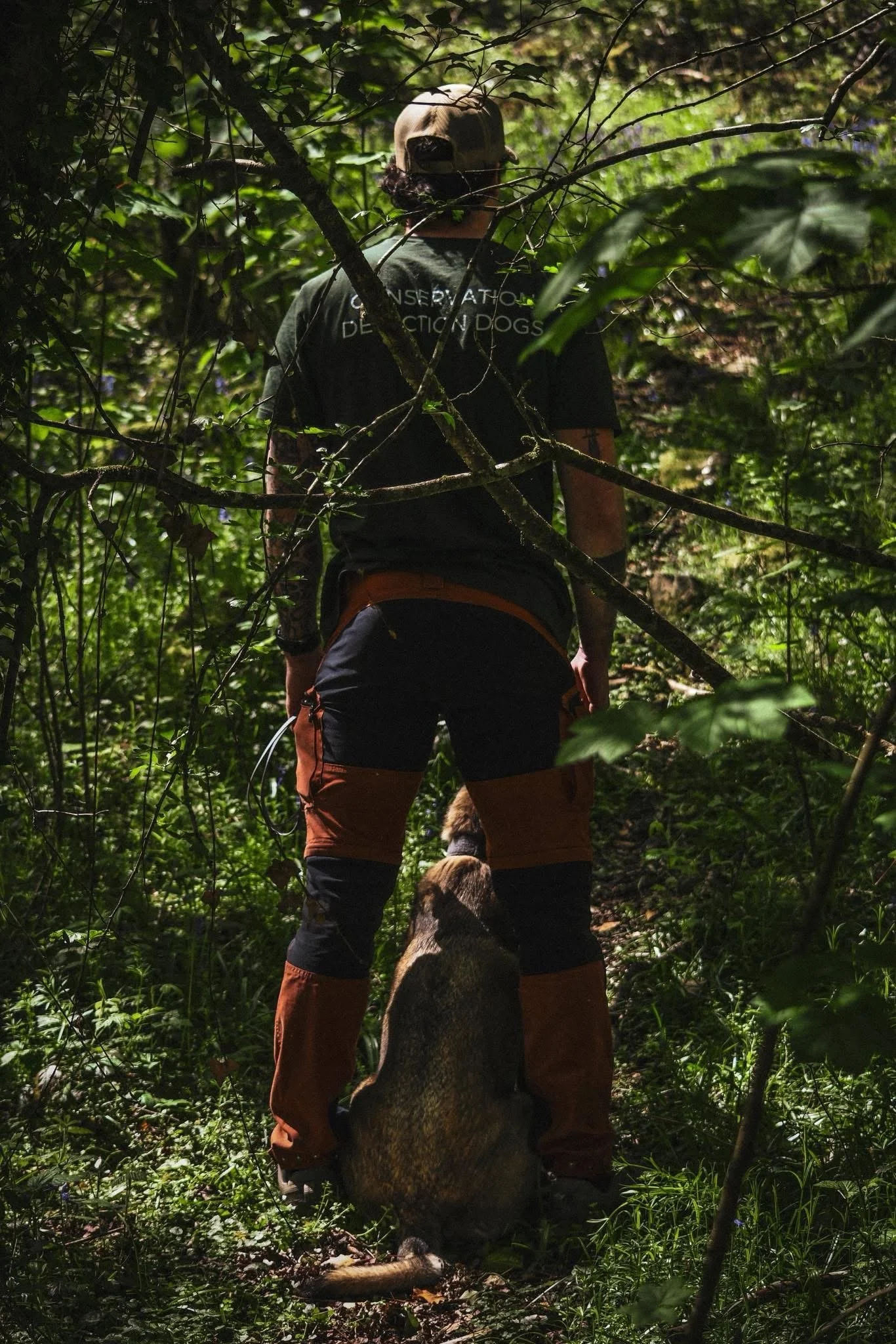
Our conservation detection dog teams support wildlife conservation, ecological surveys, and research by locating target species and biological materials quickly, accurately, and with minimal environmental disturbance.


Detection
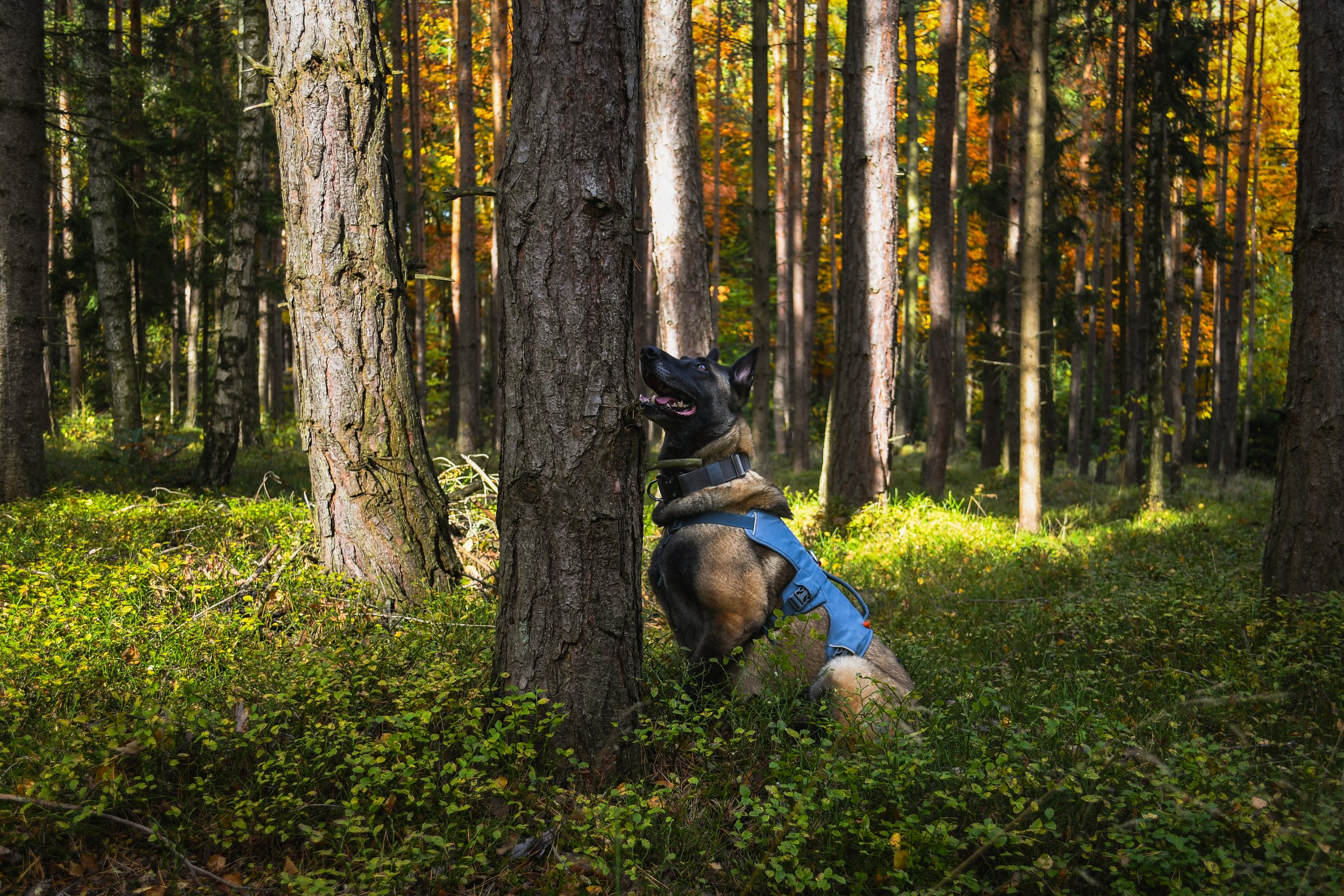
Our conservation detection dog teams support wildlife research, species monitoring, ecological surveys, and biosecurity initiatives by locating a wide range of targets with speed, accuracy, and minimal environmental disturbance. Our dogs are trained to detect wildlife signs, including scat, carcasses, invasive species, pathogens, and other biological targets, with additional project-specific training available to meet the requirements of conservation and research programs.

Consultancy & Collaboration
Our conservation detection dog teams are deployed to support universities, conservation organizations, ecological consultancies, government agencies, and research projects worldwide. Alongside field deployment, we provide specialist consultancy to help develop conservation detection dog projects, including project design, survey methodology, operational planning, and program development.
We also work with new and established detection dog teams and organizations to provide bespoke training, mentoring, and operational guidance, helping to develop effective, reliable, and scientifically robust conservation detection programs.

Educational Outreach & Demonstrations
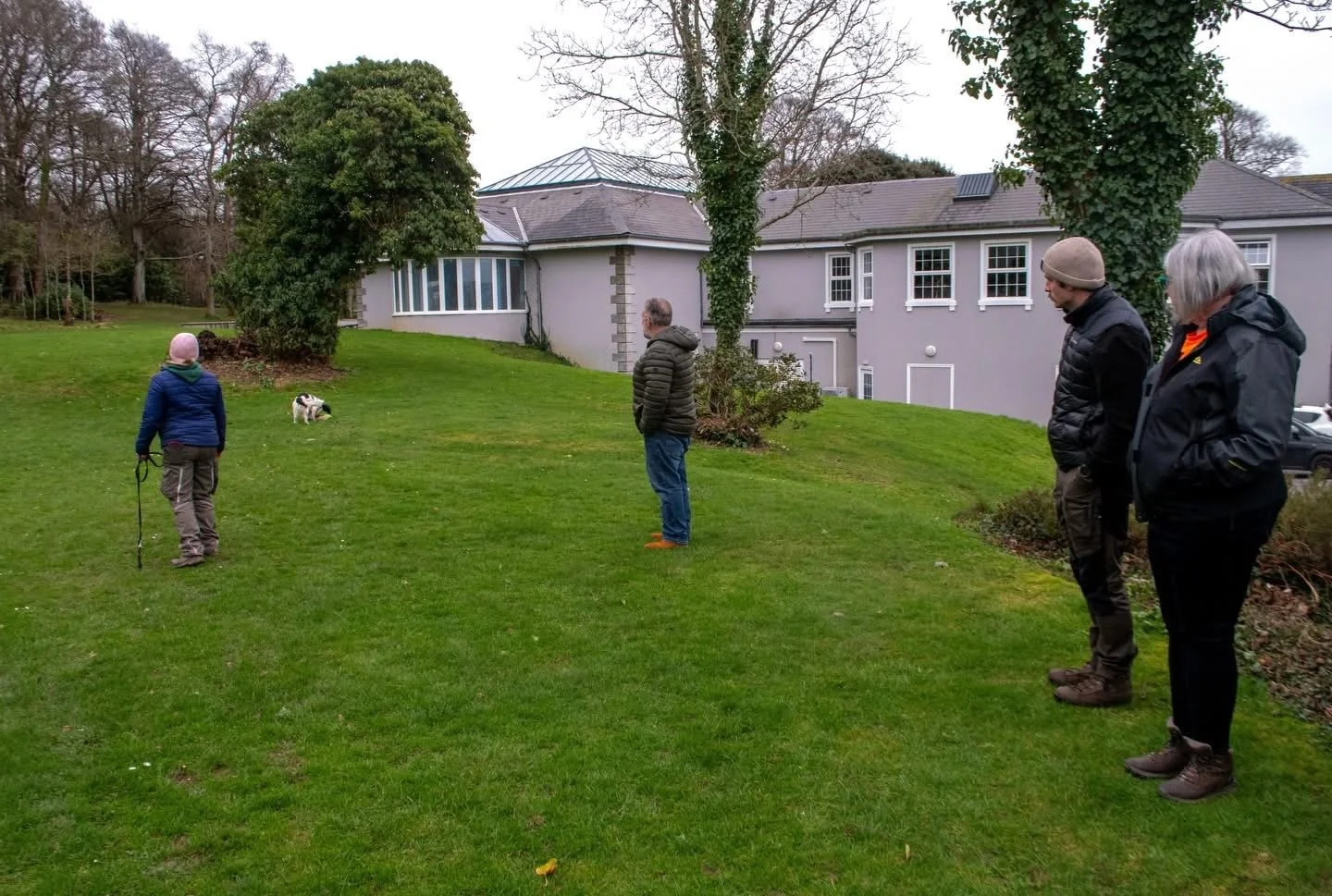
We deliver engaging talks, workshops, and live demonstrations for schools, universities, community groups, conferences, and public events. Through educational outreach, we showcase the capabilities of conservation detection dogs and highlight their role in wildlife research, ecological monitoring, and biodiversity conservation. We also attend events and exhibitions, providing audiences with the opportunity to learn about detection dog training, conservation applications, and the impact of canine teams in protecting biodiversity.
Hedgehog Detection
Harvest Mouse Nest Detection
Invasive Aquatic Species Detection
Bat Roost Detection
Hazel Dormouse Detection
+ more
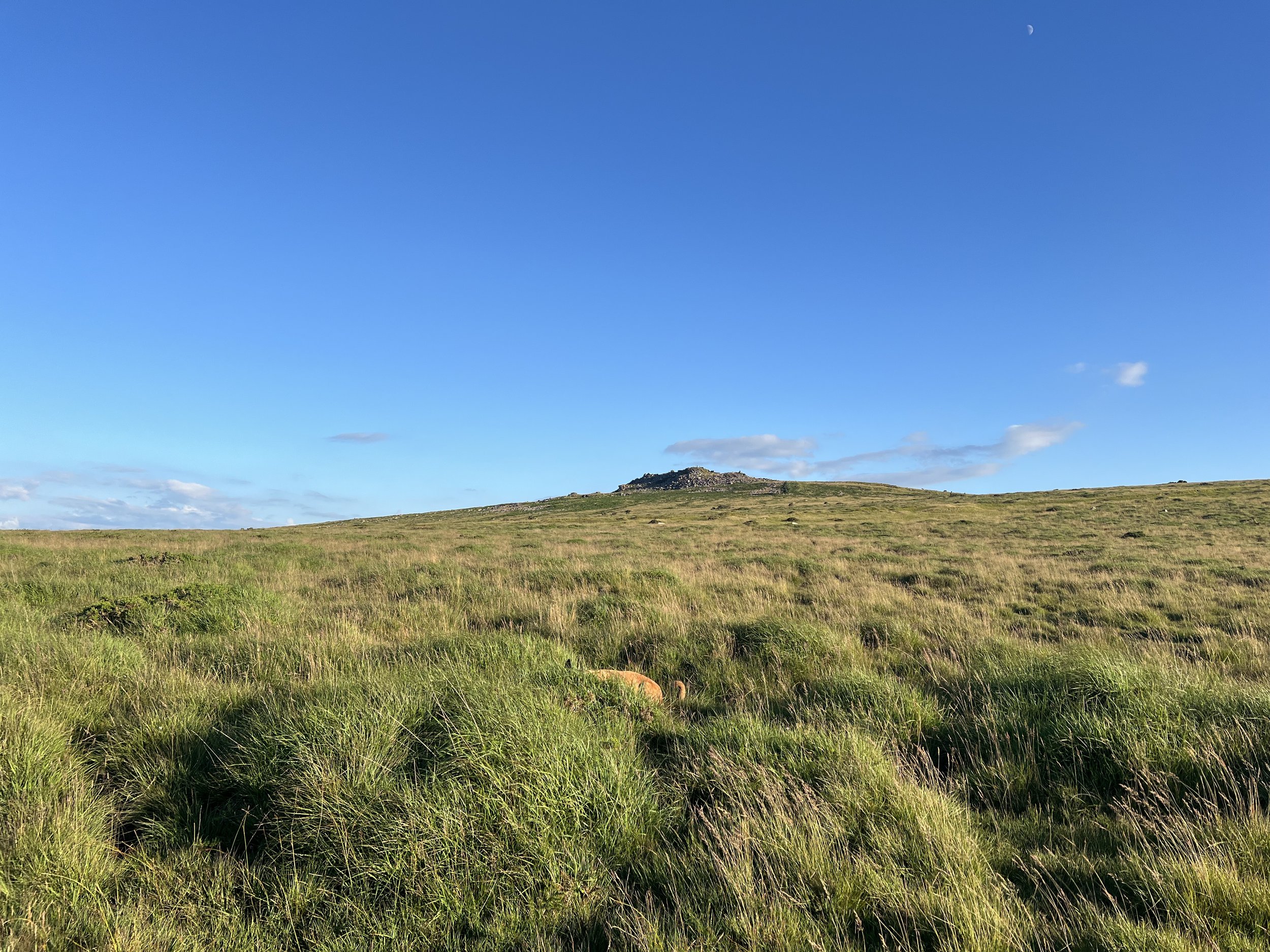
Curious about what our conservation detection dog teams have been working on? Explore our blog for updates on our latest projects and fieldwork.
How do dogs contribute in conservation?
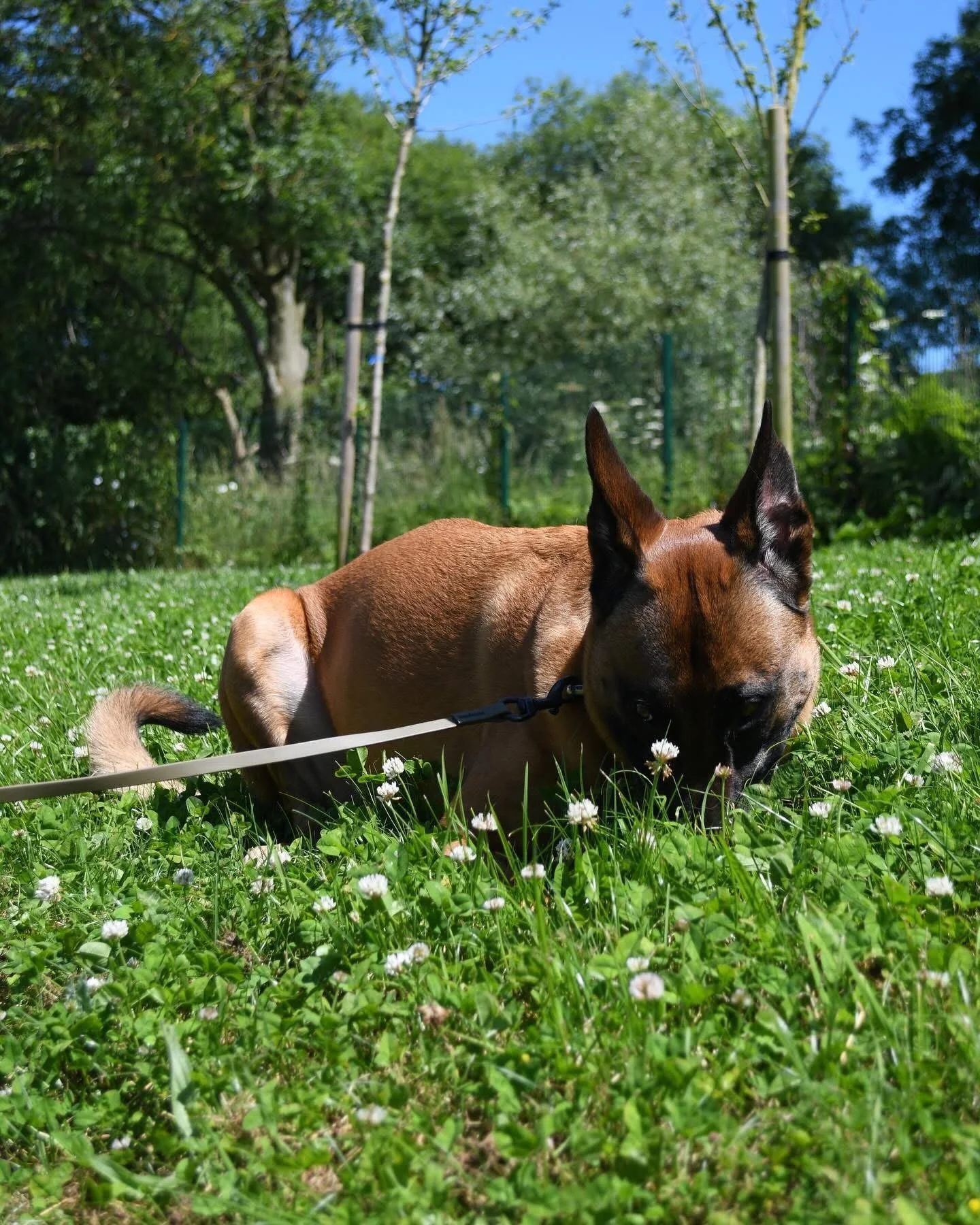
Dogs possess an exceptional sense of smell that far surpasses human capabilities. Their ability to detect and distinguish odors with incredible precision—even in complex or challenging environments—makes them invaluable collaborators in wildlife conservation. Detection dogs work alongside researchers and conservationists to locate a wide range of targets, including endangered species, invasive species, and illegal wildlife products, all of which are critical for ecosystem health.
Detection dogs are becoming increasingly essential in wildlife monitoring and conservation efforts due to their speed, accuracy, and non-invasive approach. Unlike traditional survey methods, dogs can cover large areas quickly, identifying target scents with greater precision. They help reduce impact on fragile ecosystems while gathering more reliable and actionable data.
Key Contributions of Detection Dogs in Conservation
Efficient and Accurate Detection: Detection dogs can cover large areas in a fraction of the time it would take using traditional methods, such as traps or visual surveys. Their ability to accurately identify target scents helps to reduce false positives, providing researchers with more reliable results. Whether detecting invasive species, wildlife scat, or endangered animals, detection dogs are essential collaborators in collecting data and monitoring wildlife populations.
Non-Invasive Approach: Many wildlife surveys can disturb habitats or stress the animals being studied. Detection dogs, on the other hand, offer a non-invasive survey method. They detect odors by causing minimal disturbance to wildlife and their environments. This allows conservationists to monitor species without the risk of harming them or their habitats.
Versatility: One of the greatest advantages of detection dogs is their ability to be trained for a wide range of tasks. From invasive species detection to locating poaching evidence and wildlife diseases, detection dogs can be trained to identify specific species. Their adaptability makes them invaluable collaborators in any conservation effort.
Field Accessibility: Dogs are highly agile and adaptable, making them ideal for difficult terrains and environments. Whether navigating dense forests, rugged landscapes, or aquatic ecosystems, dogs can access areas that might be inaccessible to humans or technology. This is especially valuable in remote or hard-to-reach regions where traditional survey methods may fail.
Public Awareness and Engagement: Detection dogs also play an important role in raising public awareness about wildlife conservation and environmental protection. Their involvement in community outreach programs, public demonstrations, and educational initiatives helps engage the public and foster a sense of responsibility toward wildlife preservation. As they actively collaborate in conservation efforts, they inspire and educate individuals on the importance of protecting biodiversity and combating poaching threats. And honestly, who doesn’t love dogs? Their charm and enthusiasm make them great ambassadors for conservation, sparking interest and action in people of all ages.
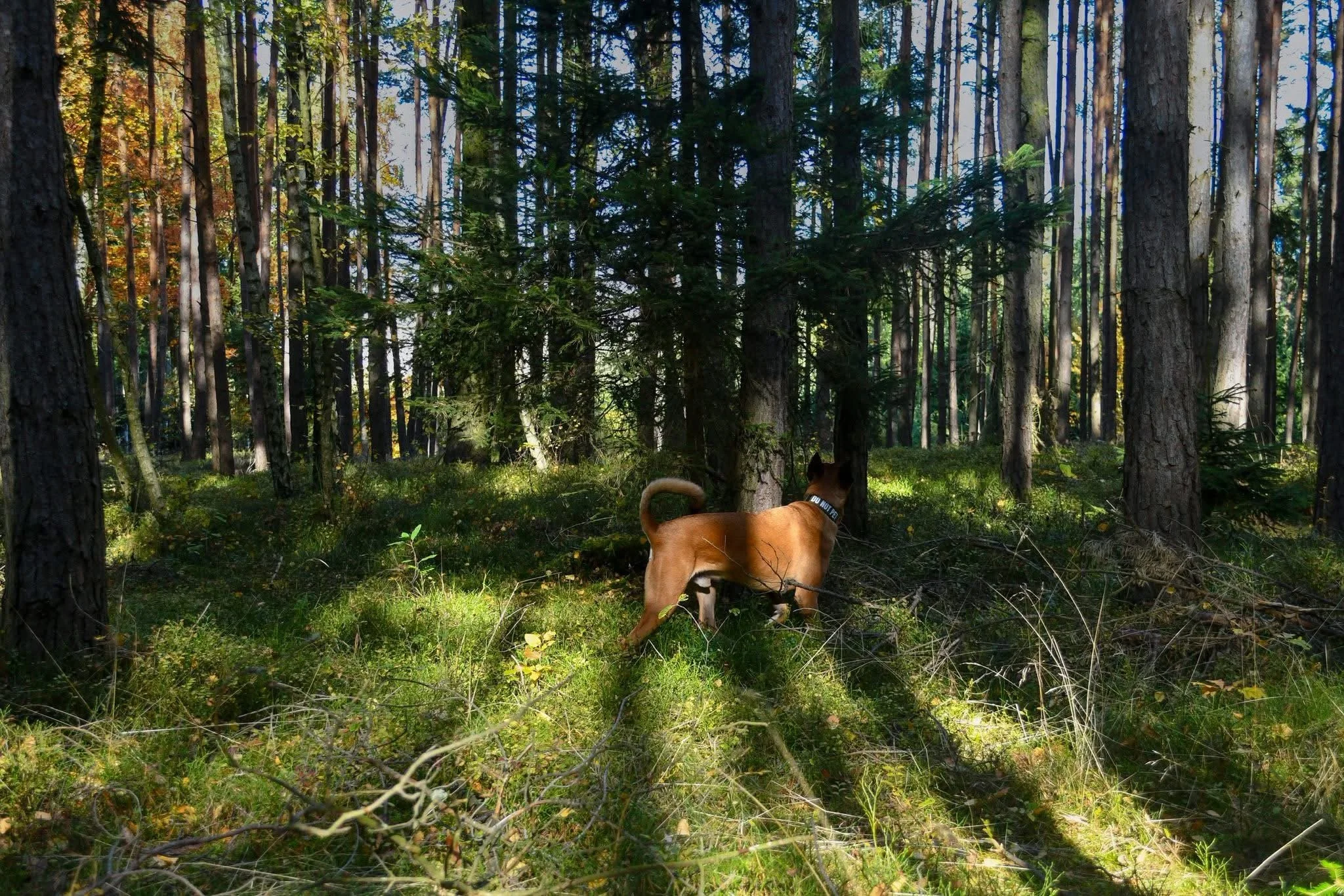
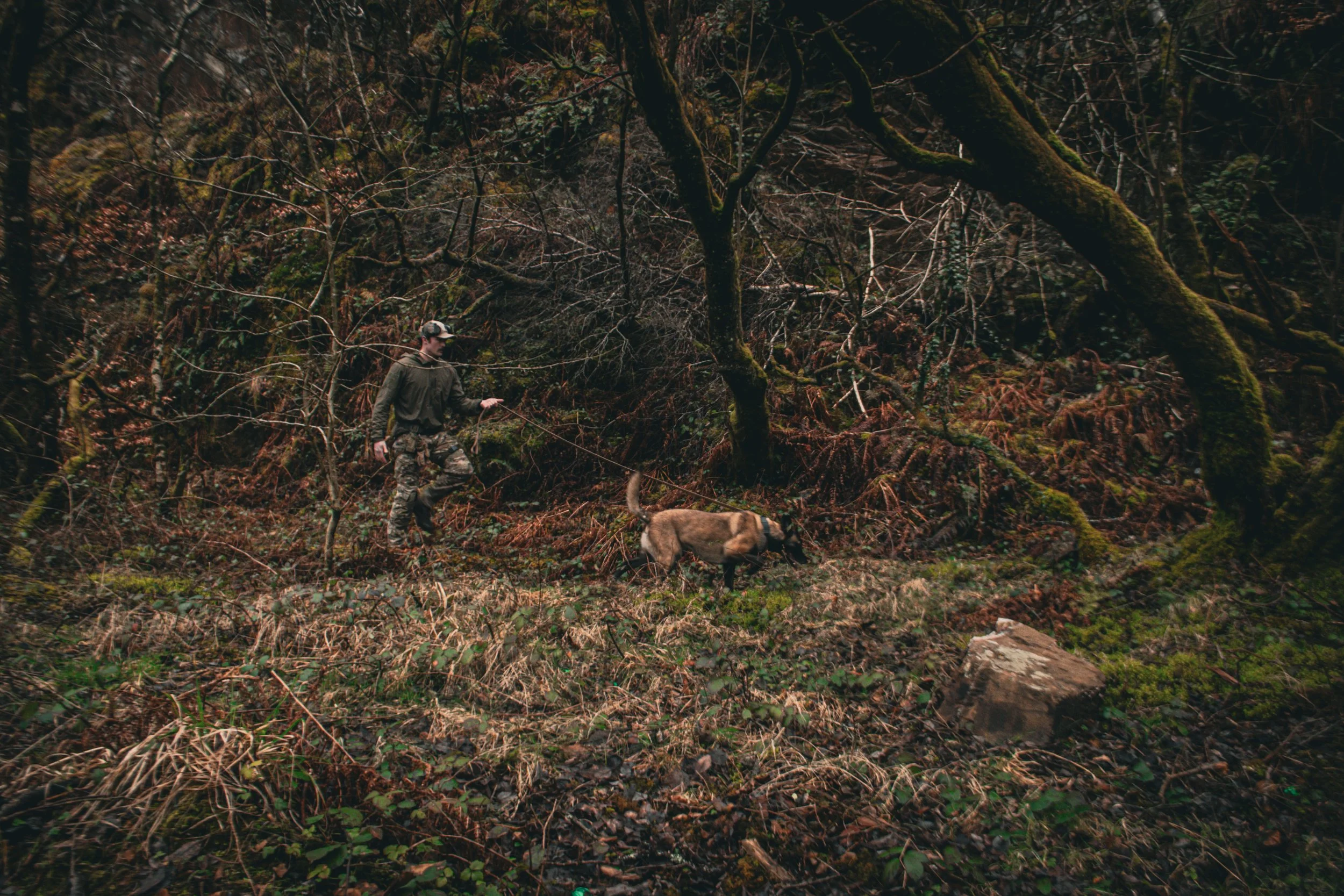
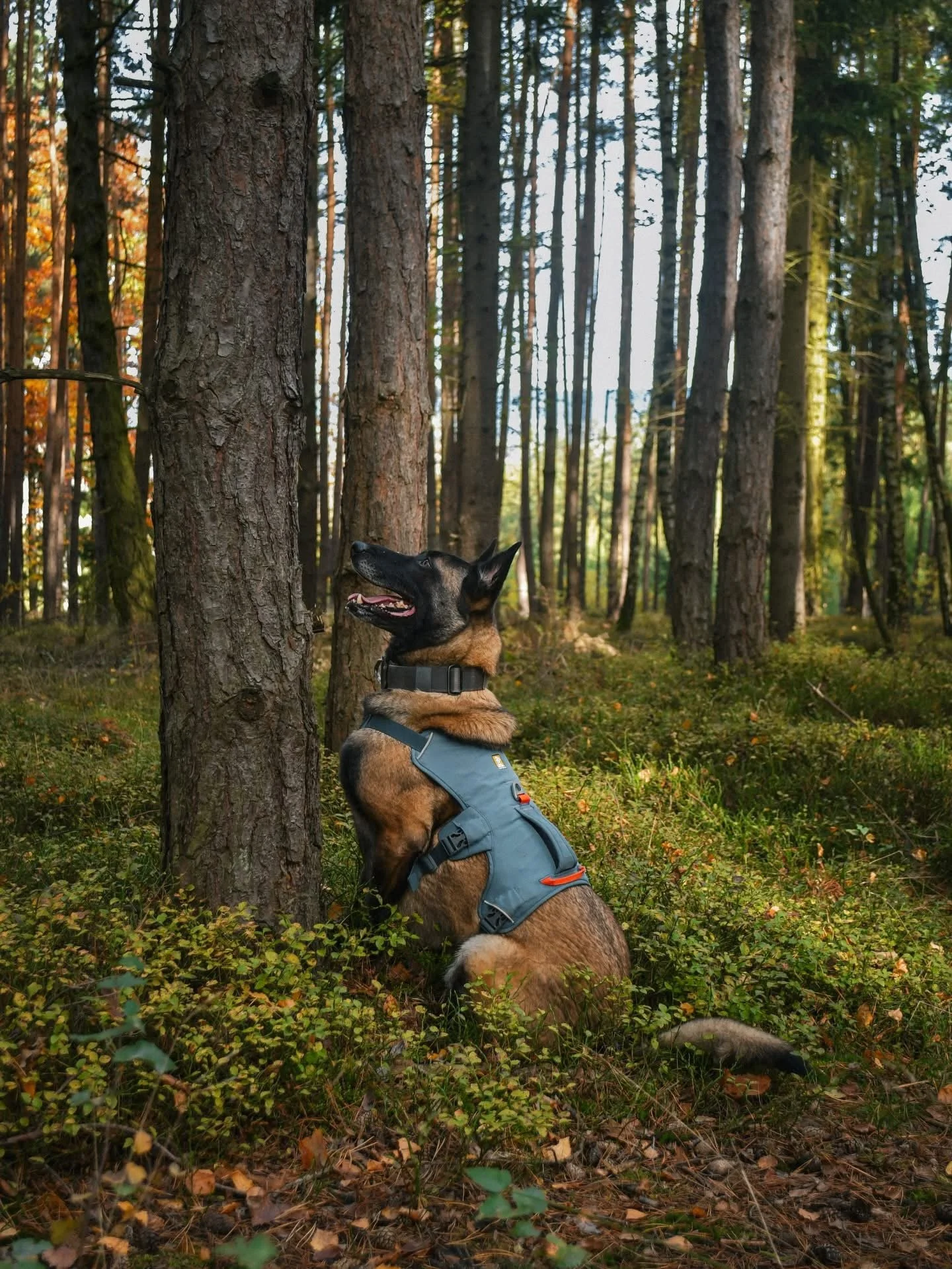

Fetch success with our conservation detection dog teams!
Sniffing out opportunities for partnership? Contact us to learn how our conservation detection dog teams can support your efforts.